
The early years of a child’s life are foundational, shaping cognitive, physical, and emotional development. A significant portion of this growth unfolds within the walls of children’s nurseries, making the environment of these spaces a paramount factor in a child’s upbringing. In this post, we take a closer look at why the environment is so crucial for children’s development in nurseries. From the effect it has on active engagement and learning to the way it fosters independence, we cover a wide range of topics in our post. Keep reading to learn more.
Active Engagement and Learning
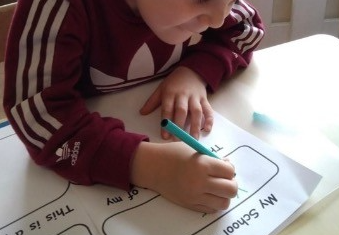
Children are naturally curious beings. They thrive in environments that cater to their innate desire to explore, touch, see, and understand. A well-designed nursery environment provides myriad opportunities for hands-on experiences, ensuring that children aren’t just passive recipients but active participants in their learning journey.
Holistic Development
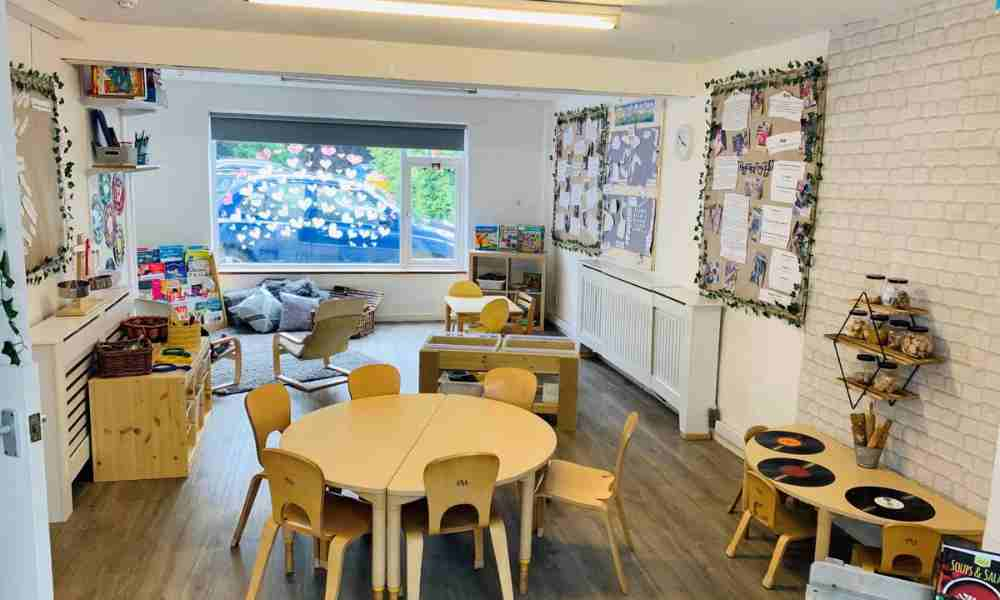
A child’s growth is multifaceted, encompassing cognitive, physical, social, and emotional dimensions. A nursery’s environment should be calibrated to nurture all these aspects. Spaces designed for active play promote physical development, reading corners foster cognitive skills, group activities enhance social skills, and calm zones cater to emotional well-being.
Fostering Independence
A cornerstone of early childhood education is the development of independence. A thoughtfully designed environment, with accessible resources and clear organisational structures, allows children to make choices, take initiative, and engage in self-directed activities. Over time, these experiences cultivate decision-making skills, boosting their confidence and self-esteem.
Stimulating Creativity and Imagination
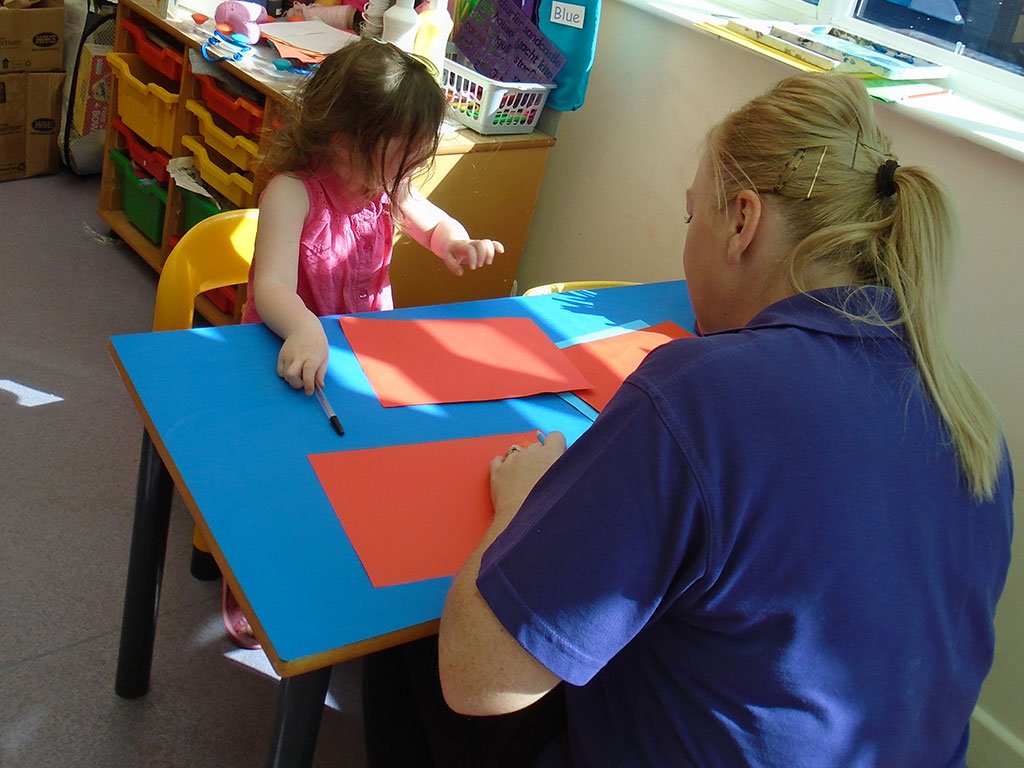
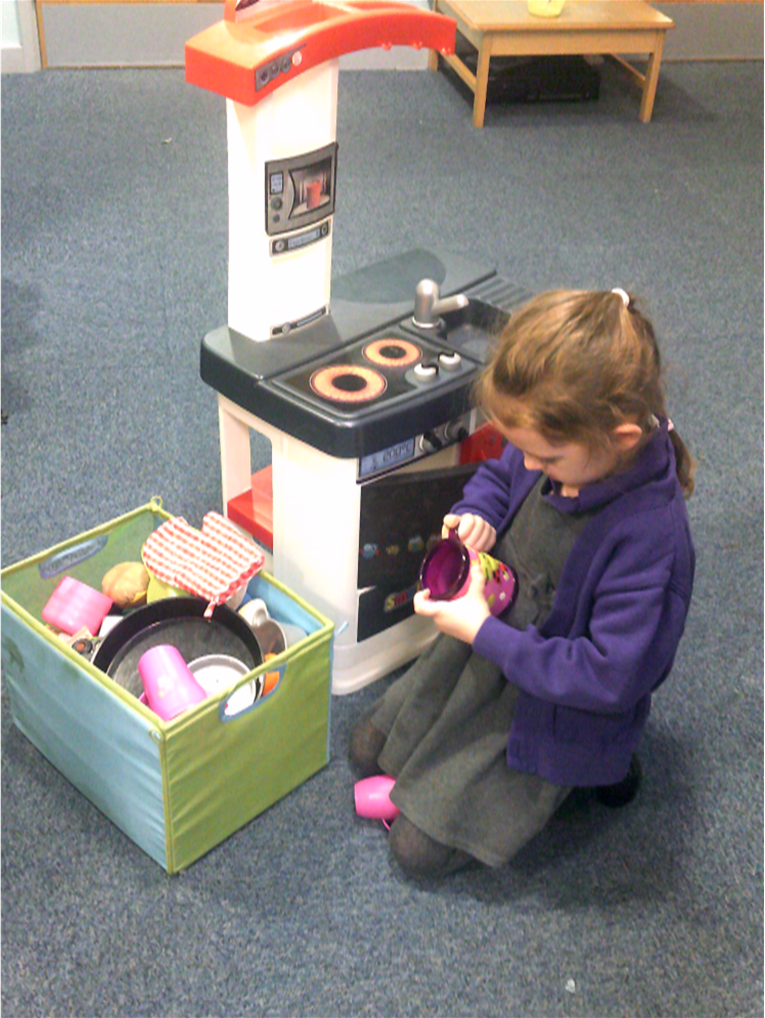
From art stations with diverse materials to role-playing corners with costumes, a stimulating environment acts as a catalyst for a child’s creativity and imagination. When children are surrounded by resources that invite them to create, experiment, and pretend, they develop a rich imagination, laying the groundwork for innovative thinking later in life.
Social Skills and Friendships
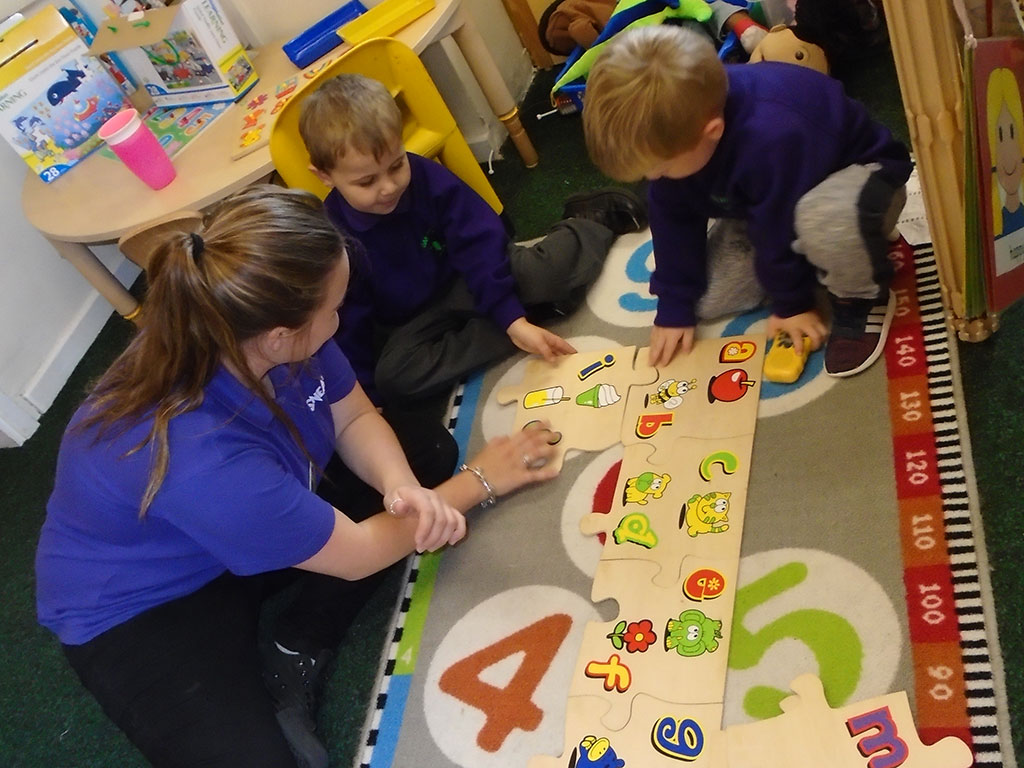
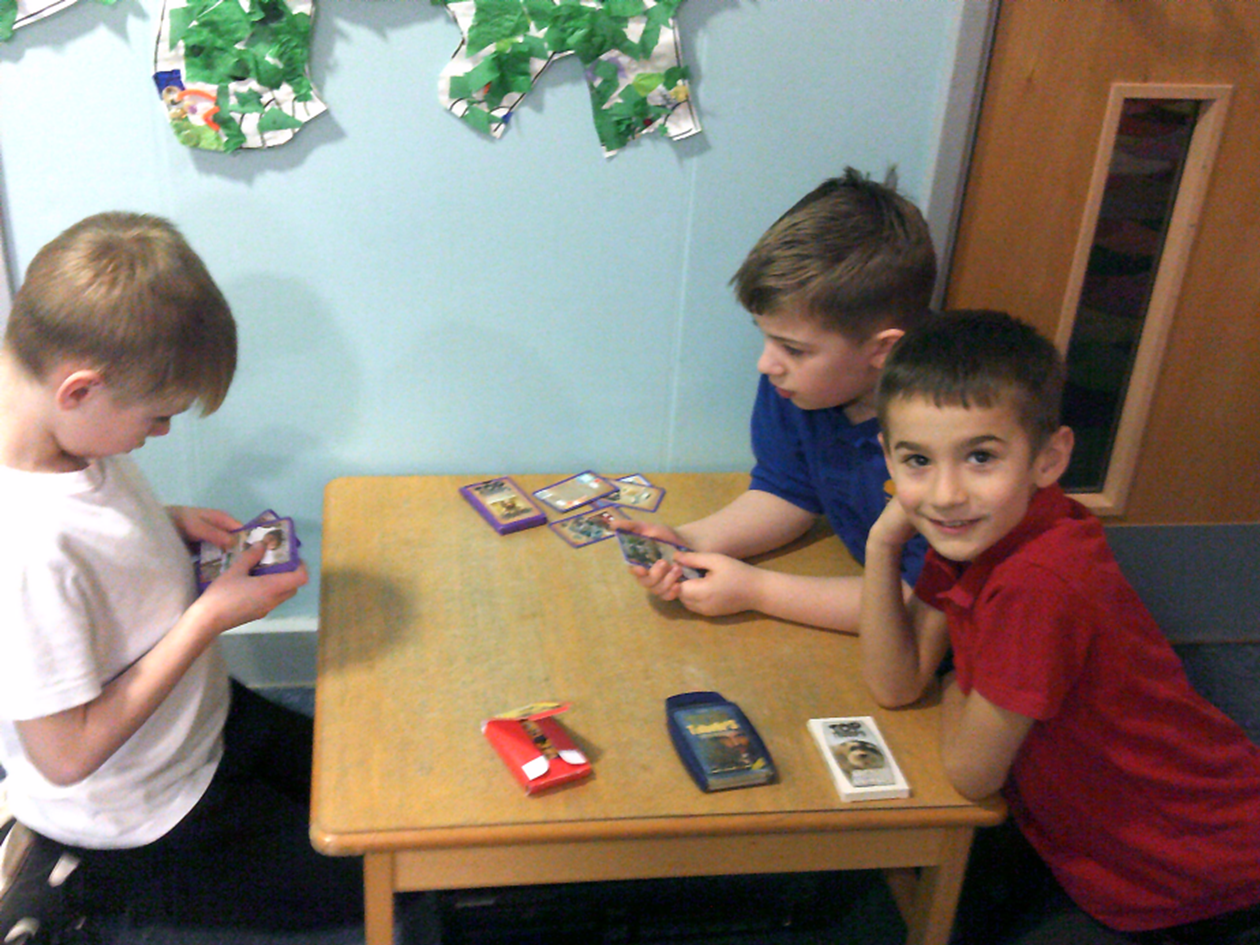
Interpersonal skills begin to form in these early years. A nursery environment that encourages group activities, teamwork, and shared play zones enables children to learn essential social skills. They learn to communicate, share, empathise, and form friendships, which are foundational skills for their future personal and professional relationships.
Safety and Security
While exploration and creativity are crucial, the safety of a child is paramount. A well-structured nursery environment ensures that all materials and spaces are safe for young learners. This not only keeps them physically secure but also creates a sense of emotional security. When children feel safe, they are more likely to take risks, explore, and learn.
Adaptability and Flexibility
Children come with diverse needs, temperaments, and interests. An adaptive environment ensures that there’s something for every child. Whether it’s a quiet corner for a shy child to retreat to or an open space for an active child to run around, nurseries should be versatile enough to cater to the myriad personalities and needs of children.
Sensory Development
Children learn a lot through their senses, especially in the early years. Nurseries should provide a multi-sensory environment, from textured materials and vibrant visuals to melodious sounds and varied scents. Such an environment enriches their sensory experiences, enhancing cognitive and physical development.
Welcome to Sneakers Nurseries
At Little Sneakers Childcare, we prioritise children’s happiness and wellbeing. Offering two nursery settings and afterschool clubs, we cater to babies, toddlers, preschoolers, and school-aged children.
Upholding the belief that ‘every child is an individual’, we emphasise a clean, safe, and welcoming environment. Our holistic approach addresses physical, emotional, intellectual, relational, and spiritual development.
Any questions? Contact us today on 01527 523 279 or email us at lodgepark@sneakerschildcareltd.co.uk. We look forward to hearing from you.