

Those looking for a preschool in the local area that will cater to their child’s needs and help prepare them for future educational endeavours may find the process challenging. One of the key factors parents have to consider when making this decision is whether to choose a Montessori or a traditional preschool. With both approaches having their own set of advantages, the Montessori approach can be incredibly appealing for those who wish to allow their child to grow and develop, with learning tailored to their interests and hobbies. While traditional preschools are popular for a number of reasons, parents currently searching for a suitable nursery can often find it helpful to evaluate the differences between the two when making this all-important decision.
If you’re in the early stages of trying to find a Montessori preschool in Redditch, look no further than Sneakers Nurseries. With a strong focus on independent learning, our nursery team supports every child, enabling them to become confident young learners. While there are elements of a traditional preschool that can benefit children, we believe the Montessori learning style is a fantastic way for young children to cultivate curiosity and a love of learning. In this blog post, we will explain what Montessori education actually involves, five key differences between a Montessori and traditional preschool, and why our nursery is the ideal environment for parents seeking a child-led learning experience.
What is a Montessori Preschool?
Dr Maria Montessori founded the Montessori learning approach and encouraged children to develop independence and learn at their own pace while showing curiosity about areas that interest them most. With this approach embedded in many preschools across the UK, those who follow this type of learning minimise the risk of repetitive structure and instead allow children to be guided by nursery adults rather than instructed to follow a set routine.
Some of the key advantages of Montessori learning include:
- Promotes greater independence, helping children gain confidence as they attempt new tasks.
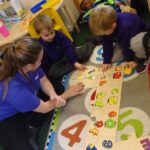
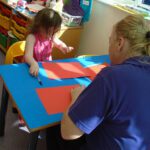
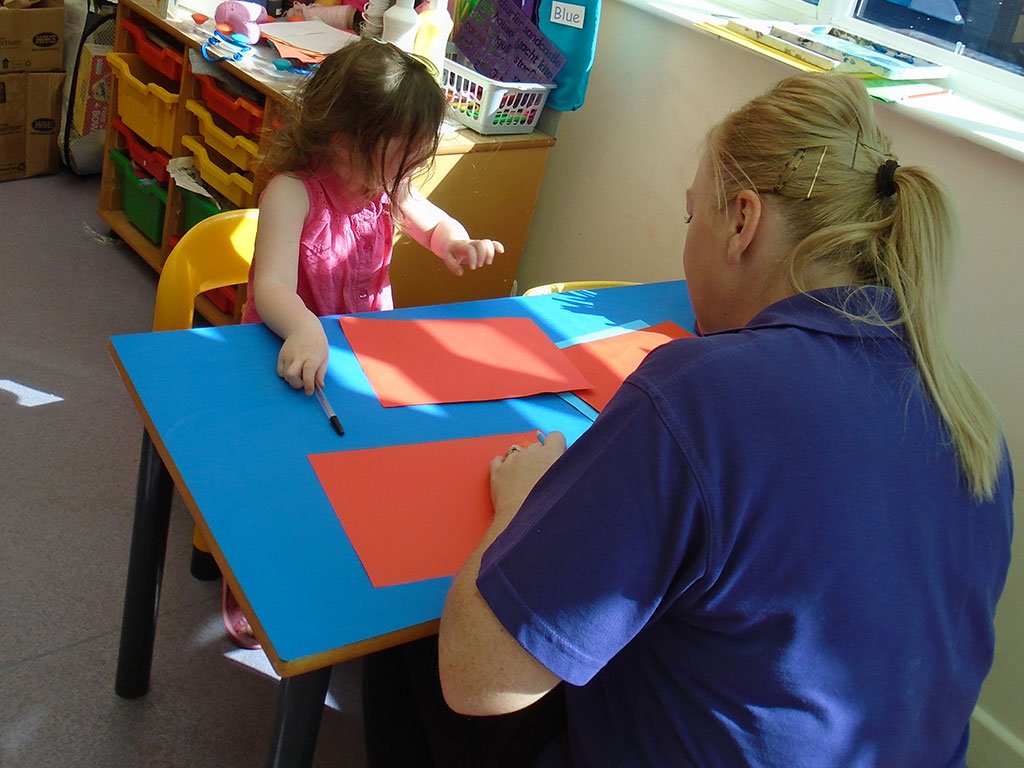
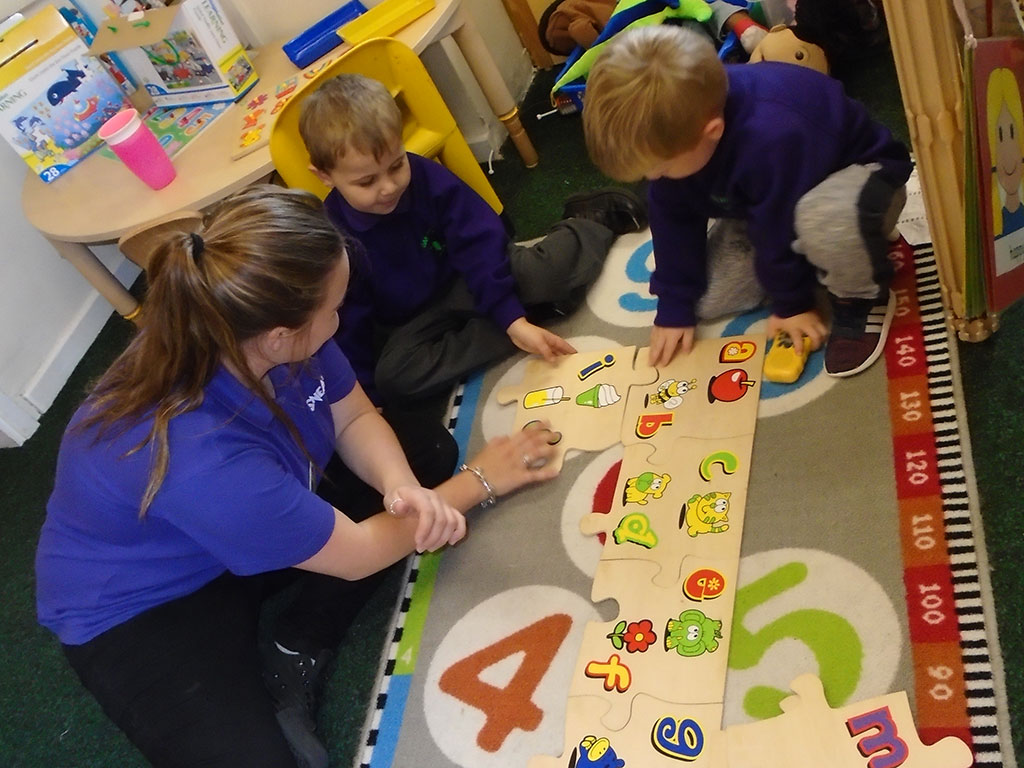
- Follows a slightly more kinaesthetic learning style, in which children use their hands to engage in practical learning tasks.
- A calm approach to learning, with less strict instructions but instead a calmer, more fluid routine, all supported by nursery staff.
In some cases, parents can find it difficult to distinguish between Montessori and traditional education, especially because core principles overlap, including a focus on building confidence that helps children attempt new tasks with ease. Despite some minor similarities, the two learning styles differ in many ways, so parents looking for a Woodrow nursery should be aware of these differences when deciding where to send their child for the early years phase.
5 Key Differences Between a Montessori and Traditional Preschool
Every nursery environment offers something different, but understanding the key differences between a Montessori preschool and a traditional early years setting can help parents make the all-important decision about where to send their little one.
- Learning Timelines
Montessori preschools motivate young learners to explore and grow at their own pace, progressing at a rate best suited to them, rather than being taught skills from the curriculum as a larger group in a planned, structured environment like a traditional classroom.
- Collaborative Learning
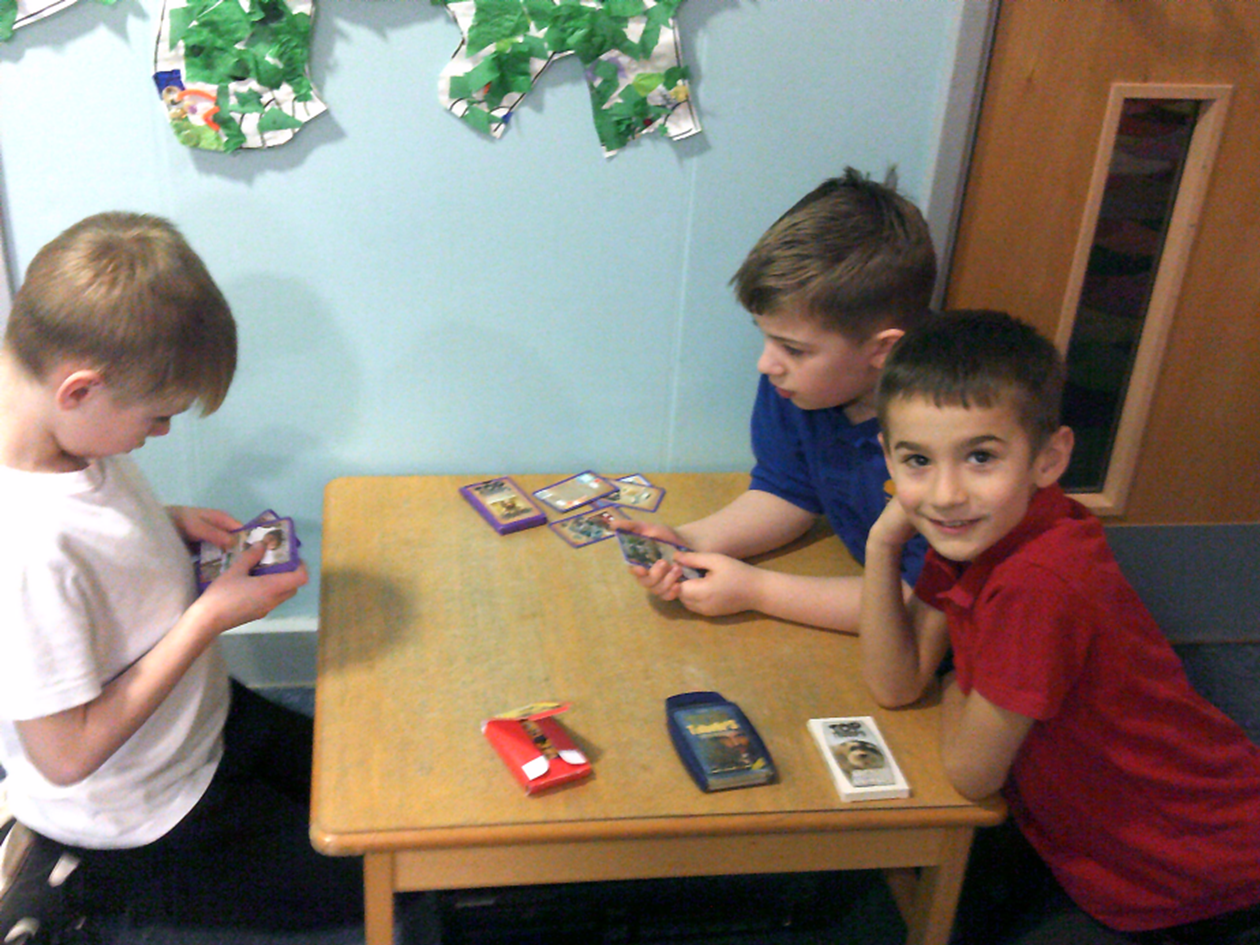
While traditional education encourages group learning from time to time, the Montessori approach holds that children should interact and play with peers of mixed ages, using these times to learn vital skills as part of a group that works together and problem-solves.
- Focus on Hobbies & Interests
Unlike in a conventional setting, where children are taught subjects within a broader curriculum, those who attend a Montessori preschool are free to explore, showing interest in areas that appeal to them and developing a love and passion for learning.
- Physical Exploration
One of the key focuses within a Montessori environment is hands-on learning. Children can freely explore, participate in physical activities, and use exploration to develop gross motor skills, something that a traditional preschool may offer less of.
- Independence & Responsibility
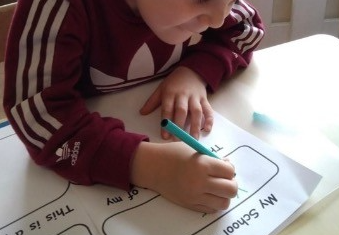
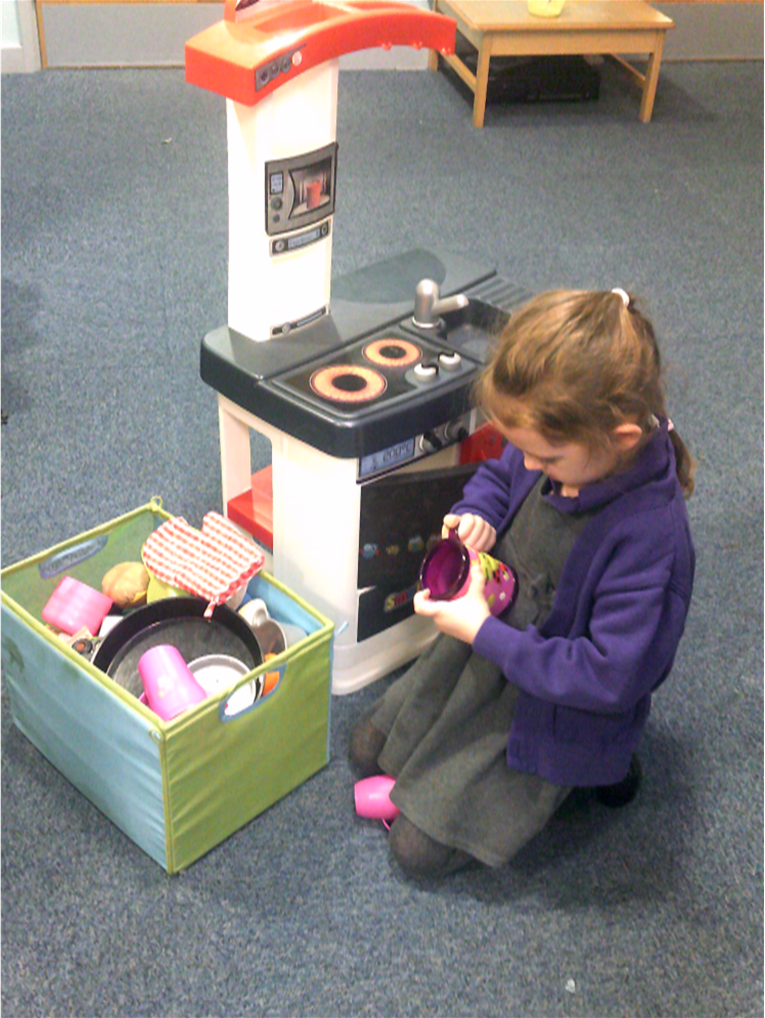
Parents who choose a Montessori preschool over a conventional setting can expect their little one to develop a stronger sense of independence within the early years, as children take on various tasks and gain responsibility in this earlier education phase.
Looking for a Reputable Montessori Preschool?
If you’re looking for a nursery in Redditch that follows the Montessori approach, look no further than Park Lodge Day Nursery. With a trained team, dedication to helping children thrive, and a warm, nurturing environment, you can feel confident knowing that your little one is welcomed each day and encouraged to learn and grow. Whether you’re in the early stages of looking at nurseries for your child or have recently moved to the Woodrow’s area, we’re here to help.
Reasons why we stand out:
- An expert team that strives to deliver a completely personalised approach to each child, helping them celebrate their own personal successes at their own pace.
- Safe nursery environments that give you peace of mind, knowing your child is in a calm, supportive space to play and learn.
- Our Montessori focus facilitates independent learning, helping children slowly prepare for their next educational endeavour.
Those currently looking at nurseries can experience nothing but support when choosing the Park Lodge Day Nursery. Meeting and chatting with our staff, viewing our learning areas, and getting to know more about what a day looks like at our preschool provides you with a clearer picture of what our Montessori preschool has to offer. Caring for children as young as 12 weeks old, right up to 5 years of age, we’re here to help your little one thrive.
Book a Visit to Our Woodrows Nursery Today
When visiting nurseries for your little one, understanding what the day looks like can give you a better sense of whether a preschool is right for them. At Park Lodge Day Nursery, a Montessori preschool, we know that our child-led approach and strong focus on helping little ones become independent learners are highly beneficial to them and successfully cater to all their needs. From outdoor exploration and play-based learning to creative activities and peer-to-peer social interactions, it enables your child to feel truly happy and supported throughout their early years.
While traditional preschools have their own benefits, our Montessori approach offers a much more personalised learning experience, allowing children to explore areas of interest to them. To book a visit at our nursery, get in touch by emailing lodgepark@sneakerschildcareltd.co.uk or calling 01527 523 279, and we will be happy to book a suitable time and we look forward to meeting you in person.