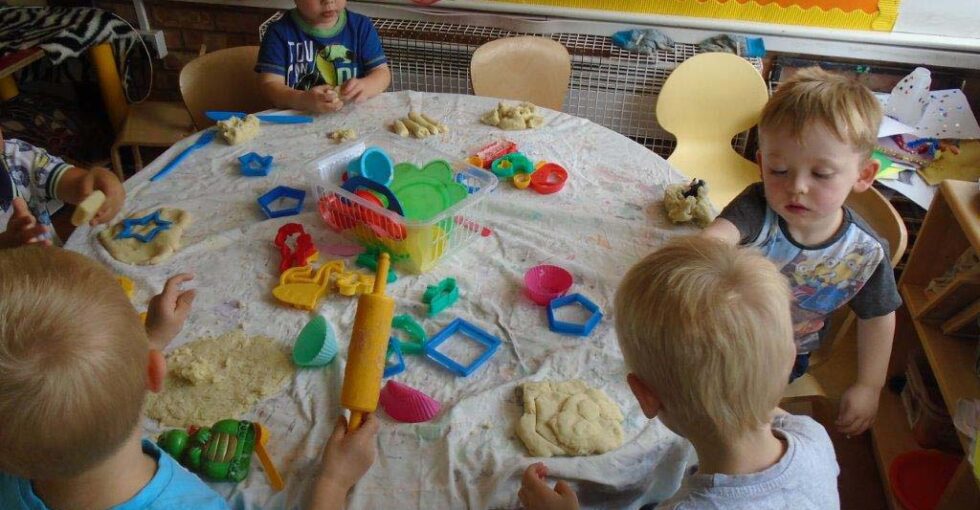

In early childhood education, a holistic approach is more than focusing on academic learning. It integrates all aspects of a child’s development, emotional, social, physical, and cognitive, into a comprehensive learning experience. Parents and educators alike are increasingly recognising the importance of this approach to nurture well-rounded, confident, and capable children. We discuss the benefits of a holistic approach to early childhood education and why it can be the key to supporting children’s growth in their early years.
Promotes Emotional and Social Development
A key benefit of a holistic approach is its emphasis on emotional and social development. A well-rounded learning environment encourages children to build strong relationships, understand their feelings, and express themselves positively. By integrating emotional awareness into daily activities, children learn essential life skills such as empathy, teamwork, and communication.
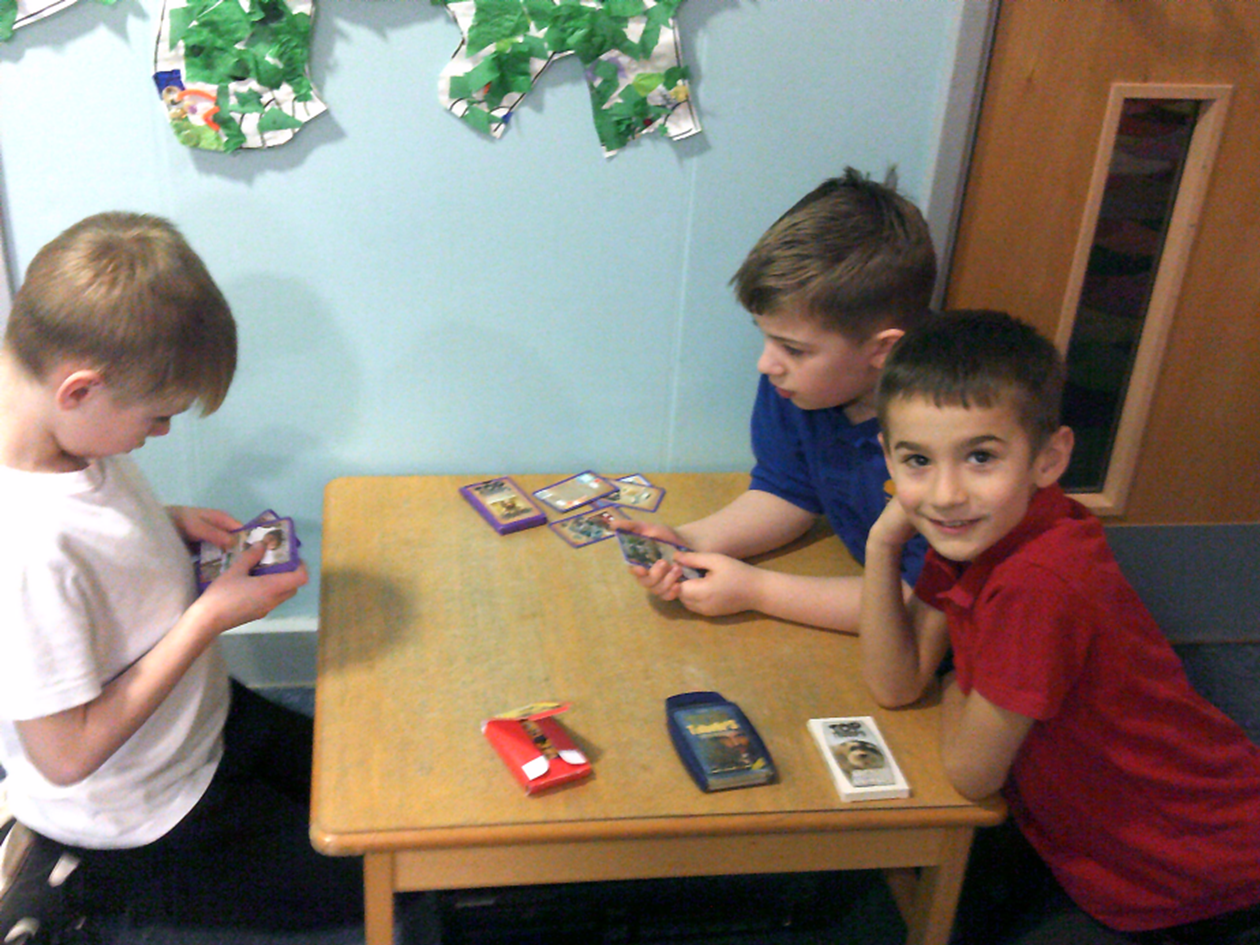
In a holistic early education setting, children are given opportunities to engage in activities that require interaction with peers. This promotes the development of social skills, helping children learn how to share, take turns, and resolve conflicts. Social emotional learning (SEL) is often embedded in classroom routines, enabling children to handle their emotions and become more adaptable in various social situations.
Supports Cognitive Development
In a holistic early childhood education environment, cognitive development isn’t just about memorising facts or solving academic problems. Instead, it’s about encouraging creativity, critical thinking, and a love for learning. Holistic teaching methods often include open-ended questions, hands-on activities, and real-life experiences that challenge children to think critically and apply their knowledge in meaningful ways.
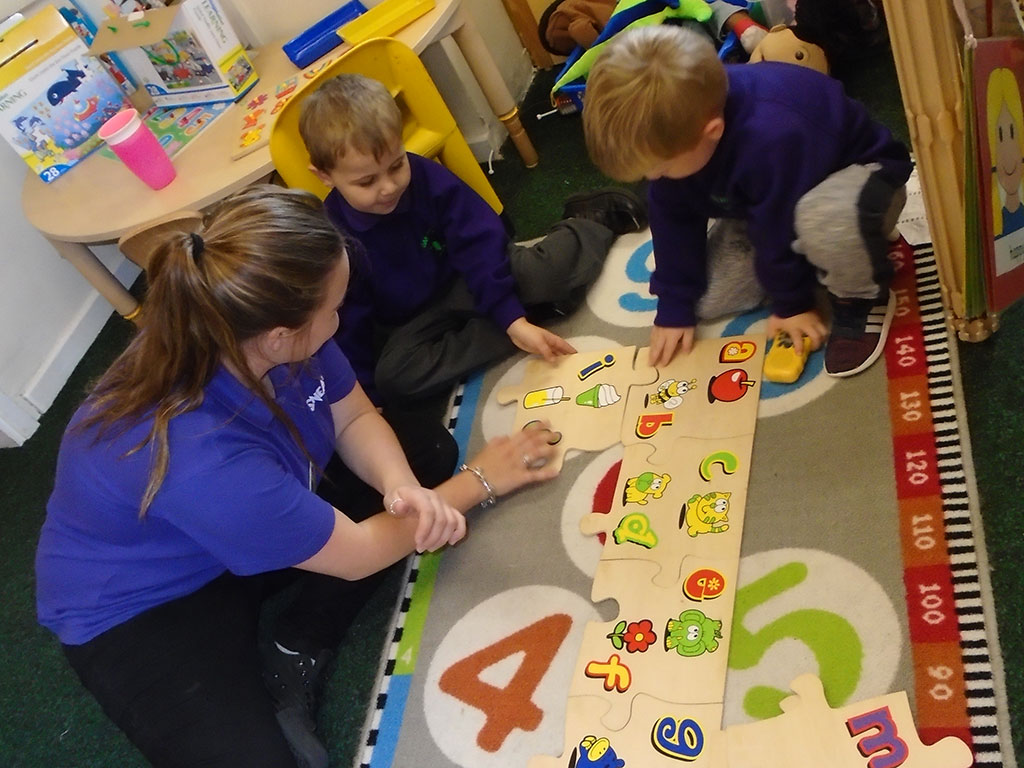
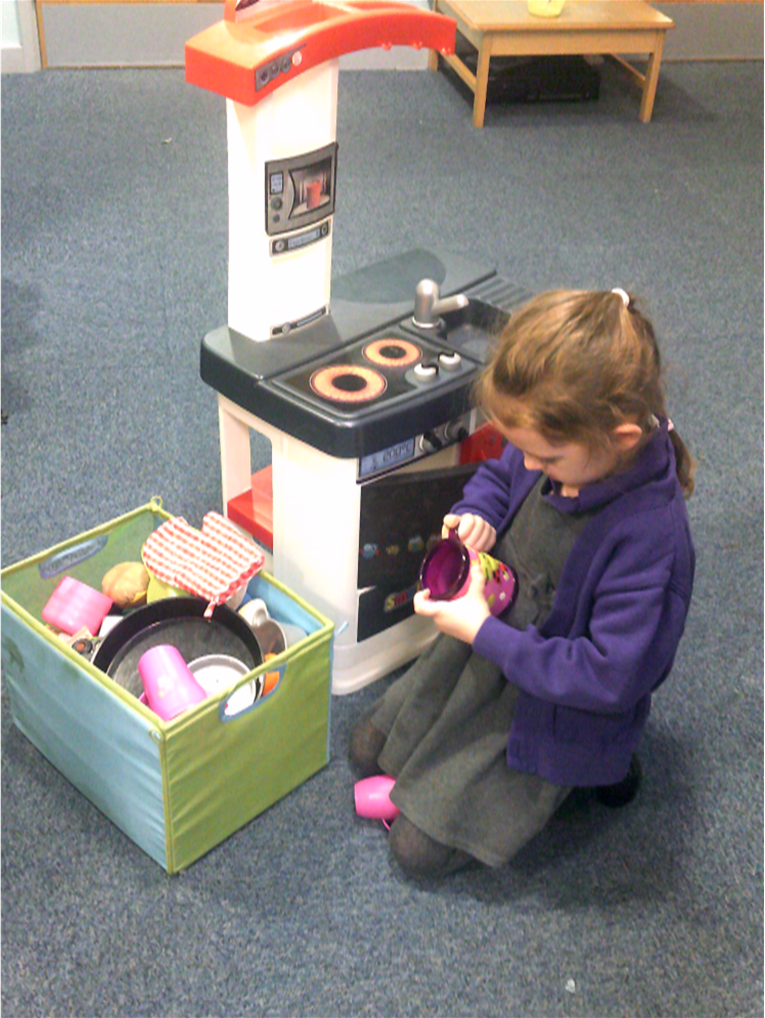
Children are encouraged to explore new concepts through play, art, storytelling, and problem-solving, which stimulates cognitive growth. A holistic approach also supports different learning styles, recognising that each child may have unique strengths and preferences when it comes to how they learn best.
Physical Development and Wellbeing
Physical development is just as important as mental and emotional growth in early childhood education. A holistic approach focuses on helping children develop physical coordination, motor skills, and overall health. Incorporating physical activity into daily routines helps children develop strength, coordination, and motor skills, which are vital for their physical well-being.
Additionally, promoting healthy lifestyle habits, such as eating well and being active, is an integral part of the holistic approach. Children who engage in regular physical activities, like outdoor play or movement exercises, are more likely to develop healthy habits that can last a lifetime.
Encourages a Love for Learning
A holistic approach develops an environment where learning is seen as a lifelong pursuit. Instead of focusing solely on academic achievement, holistic education creates a nurturing environment where children can explore their interests, ask questions, and develop curiosity. This helps children become self-motivated learners who enjoy discovering new things rather than simply memorising information.
With this approach, learning becomes a fun and engaging process. Children are more likely to develop a love for learning that extends beyond the classroom. By encouraging curiosity and self-expression, educators create an environment where learning is an enjoyable experience, not just a task.
Holistic Learning and the Whole Child
The holistic approach is about treating the child as a whole person rather than focusing on just isolated areas of their development. This means understanding that children’s learning and development are interconnected. When physical, emotional, social, and cognitive needs are addressed simultaneously, children develop a more balanced and integrated sense of self.
This approach recognises the uniqueness of each child and seeks to honour their individual needs and developmental stages. It’s not just about preparing children for academic success but helping them grow into well-rounded individuals who can thrive in all areas of life.
Preparing Children for the Future
Holistic learning can prepare children for the future in a way that traditional, academic-focused learning doesn’t always do. It equips children with the skills they need to navigate life’s challenges, including resilience, emotional intelligence, and problem-solving abilities. These skills are essential not only for academic success but also for lifelong personal development.
By focusing on the whole child, educators are able to equip children with the tools they need to become confident, empathetic, and capable individuals. These skills can set children up for success as they transition to school and later into adulthood.
The Holistic Approach at Little Sneakers Day Care
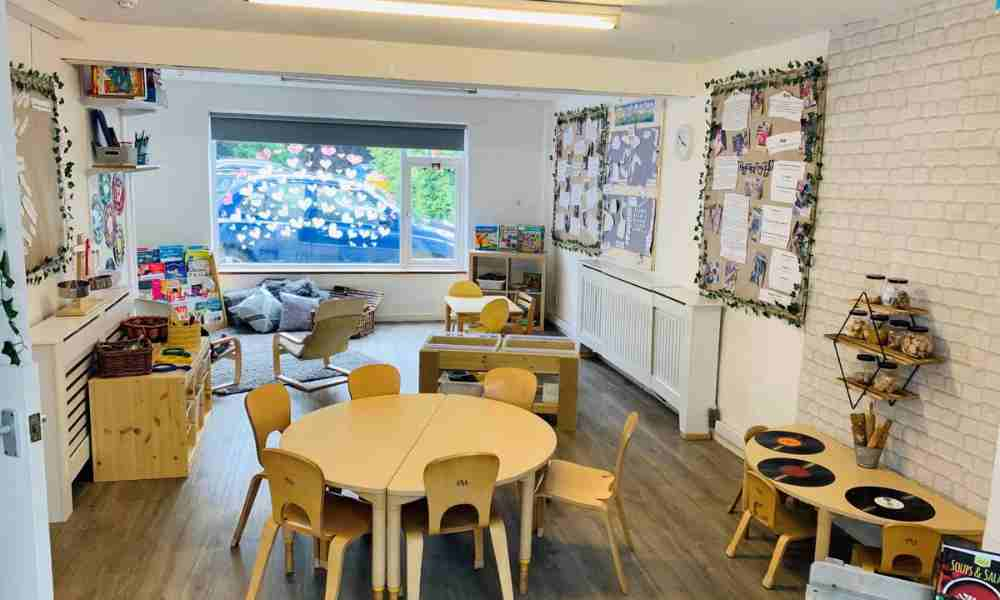
By prioritising the holistic development of children, Little Sneakers Day Care creates an environment where emotional, social, physical, and cognitive growth are equally valued. This comprehensive approach allows children to thrive in all areas of their development, building well-rounded individuals who are prepared for the challenges of the future.
If you’re looking for a nurturing environment that caters to your child’s holistic development, Little Sneakers Day Care offers a supportive and dynamic approach that can help your child reach their full potential. To learn more about how we can support your child’s growth, get in touch with us today.