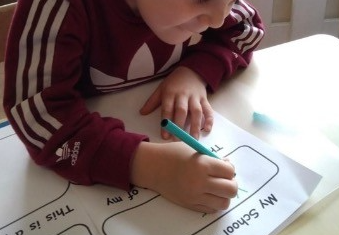

Phonics is a method used to help children learn how to read, form words, and associate sounds with letters. This is an important area that is embedded in the Early Years Foundation Stage (EYFS) and further education, as it lays the important groundwork for children to strengthen their reading, writing, spelling, and communication skills. At nursery, children are introduced to the beginnings of phonics, practicing the initial first steps that will help them with their next educational adventure.
At Little Sneakers Childcare, a nursery in Greenland, Redditch, our fully-trained nursery staff are there to encourage children to learn and grow by implementing small bursts of phonics fun into each day. Through games, storytelling, and role-play, children strengthen these important skills, preparing them for primary school and beyond. In this blog post, we’ll explain what nursery phonics involves and its importance, how it supports future education, and effective ways parents can teach their little ones phonics skills in the comfort of their own home.
What are Phonics?
Many adults often wonder what phonics are and why it’s so important for a child’s educational development. Phonics is a method used in EYFS and primary education, helping children recognise sounds and letters, form words and sentences in later education. In the early years, children play games and participate in activities that teach them the initial steps involved in phonics.
Why are Phonics Important for EYFS Children?
At our nursery, children begin to learn letters of the alphabet, the sounds associated with each letter, and what each letter looks like. Building these initial foundations helps children gain resilience and confidence in this particular area, making them feel more at ease when reading stories, speaking with their peers and adults, and attempting to write going forward.
How is Phonics Taught at Nursery?
Each day, children participate in engaging activities and games that focus on the Phase 1 phonics skills, which mainly focus on developing listening skills. Through listening games, rhyming, singing songs, and even role playing, children can gain a better understanding of the letters and sounds within each of these tasks. Depending on the child, the nursery staff will then organise future activities that cater to their current phonics understanding.
How to Teach Phonics at Home With Your Child
For parents, finding easy yet effective ways to embed phonics learning into daily life at home can be a challenge. These practices need to be quick, short bursts of fun, keeping children engaged, even when outside of a typical academic environment. Below are five simple ways to teach phonics to your child at home:
- Model Phonics Speech
One of the simplest ways to practice phonics at home with your little one is to model to them how sounds should sound and look when being said. For example, saying the ‘m’ sound slowly and giving words starting with ‘m’ will show children how words with ‘m’ should look and sound.
- ‘I Spy’ Activities
To make phonics at home a fun activity, playing ‘I Spy’ can introduce new letters and sounds to their phonics understanding. Whether you’re playing at home with everyday objects or on a nature walk learning new wildlife, phonics can be embedded into various parts of the day.
- Play Online Phonics Games
For children who prefer visual learning, there are many online resources designed to strengthen and build the initial stages of phonics learning. Online educational websites like BBC Bitesize and PhonicsPlay have lots of stimulating phonics activities catered to children of all ages.
- Supermarket Item Search
Why not practice letter recognition in the supermarket? Lifting up items that are on the shopping list and practising the sounds within this word is a terrific way to teach children phonics, showing them how phonics skills are embedded into everyday language.
- Odd One Out
A classic game for little ones to play is ‘Odd One Out’. Displaying three different words, items, or pictures to a child and asking them to select the one that doesn’t match is an easy and effective way to practice letter memory skills.
How Phonics is Embedded in Further Education
One of the main misconceptions about phonics is that it is only taught and utilised during the EYFS stage of education. However, skills learnt through the phonics scheme are continuously applied to various aspects of a child’s education, making early phonics preparation essential to their future learning. Primary and even secondary children apply the knowledge they have learnt through phonics to various tasks and activities, including:
- Spelling New Words: Phonics helps children spell words with better accuracy, as they apply the knowledge of sounding out words, a skill taught during early years phonics.
- Reading for Pleasure: Reading is more enjoyable as words can be decoded quickly, creating a seamless flow when reading for pleasure outside of an academic setting.
- Speaking with Fluency: Children can strengthen their speech and language skills through phonics, boosting their confidence for peer-to-peer conversations.
- Following Instructions: Children can complete tasks that require them to read and follow information. This is simpler for those with strong phonics understanding.
- Completing Tasks Independently: Having a secure phonics understanding helps children complete tasks with independence, reducing reliance on others when it comes to reading or comprehending information.
Come and Say Meet Our Nursery Team
Phonics is an important part of a child’s educational journey. At nursery, children learn the initial first steps of phonics, helping them gain a basic understanding before they embark on their next adventure. Associating sounds with letters and words, children can begin sharpening their skill set that will support their reading and writing journey.
If you’re searching for a preschool in Greenlands that embeds phonics into daily games and activities, look no further than Little Sneakers Childcare. Encouraging little ones to explore and grow, our team is there to motivate all to learn and overcome challenges with confidence. For more information about our nursery in Redditch, please visit our website. Have a specific question you would like to ask? Contact us or come and say hello to our Park Lodge Day Nursery team today.