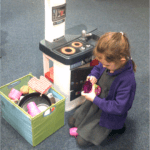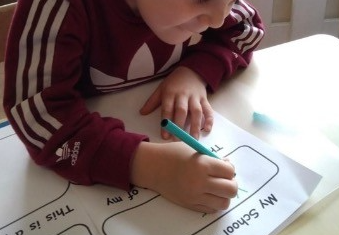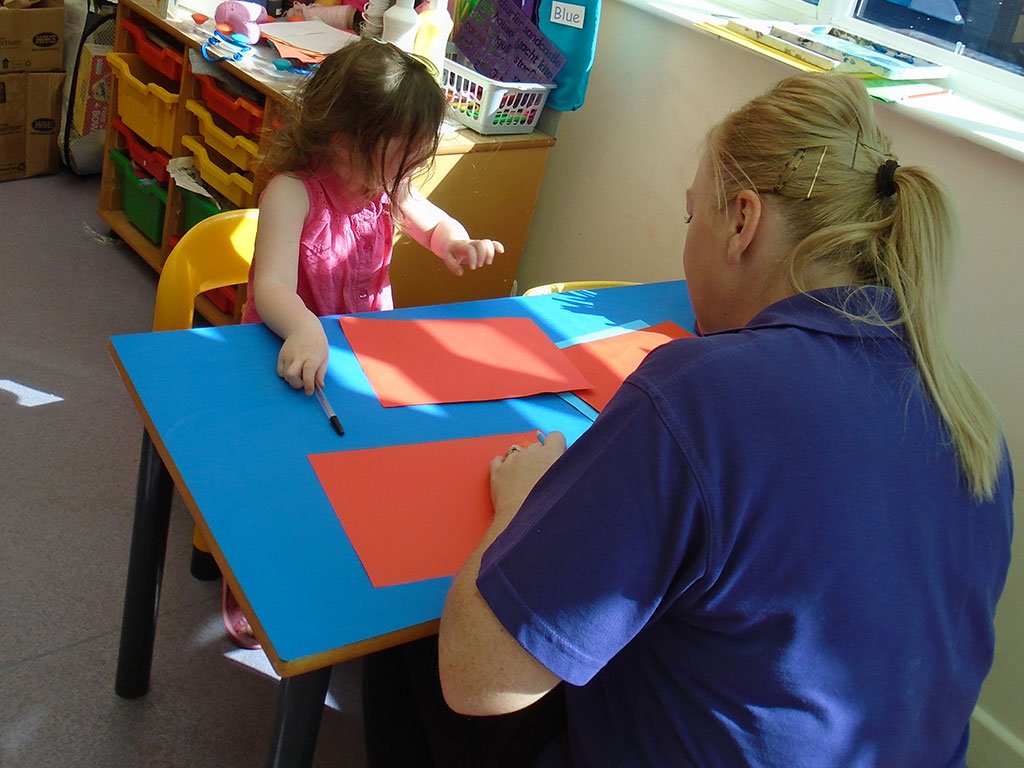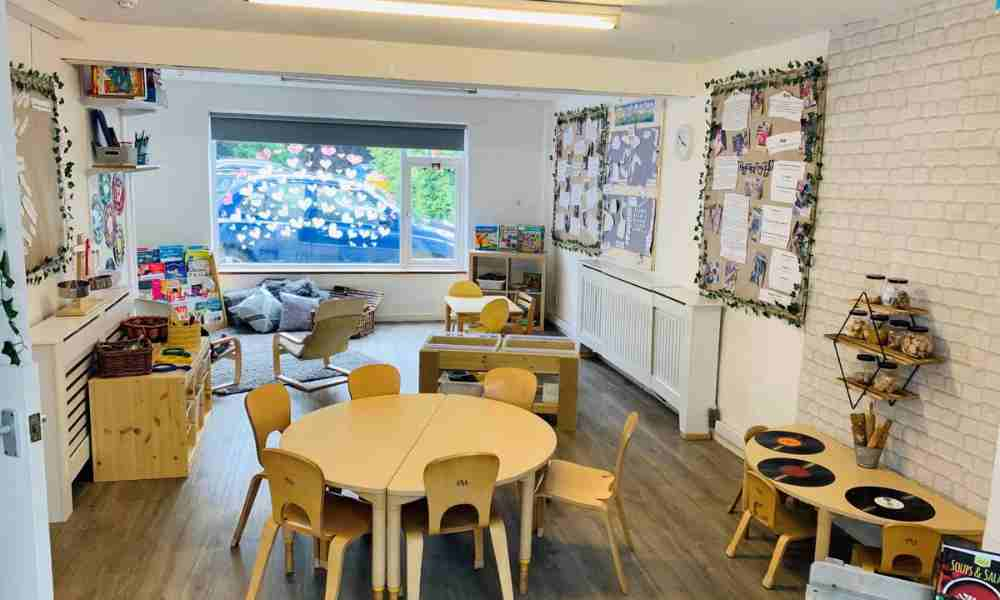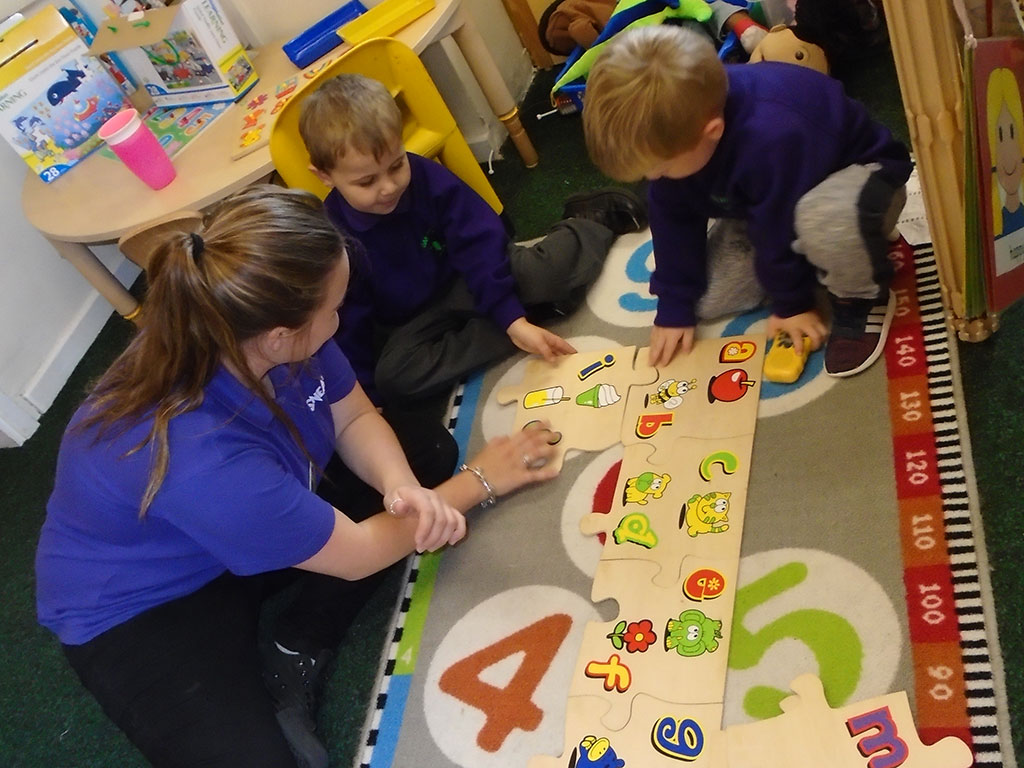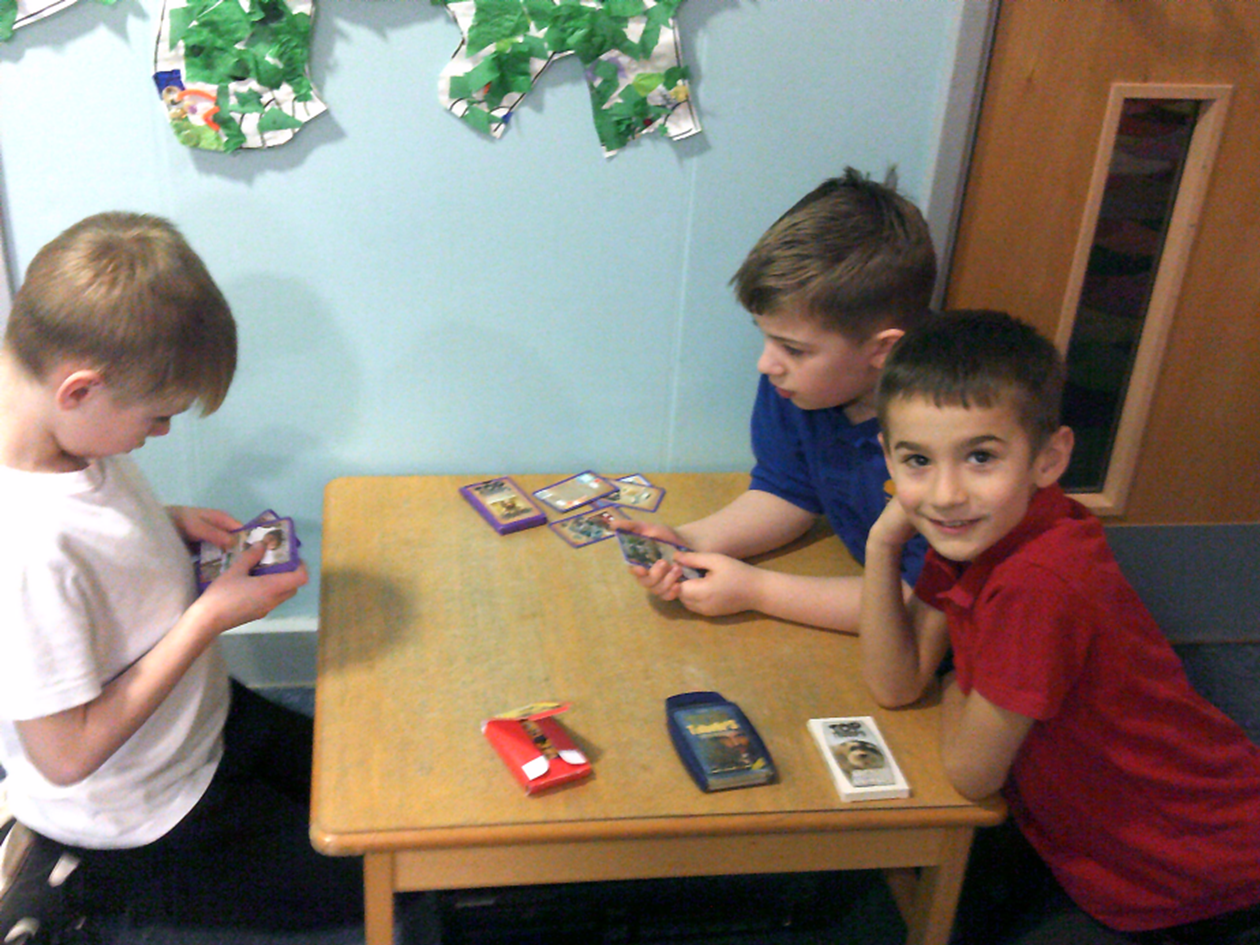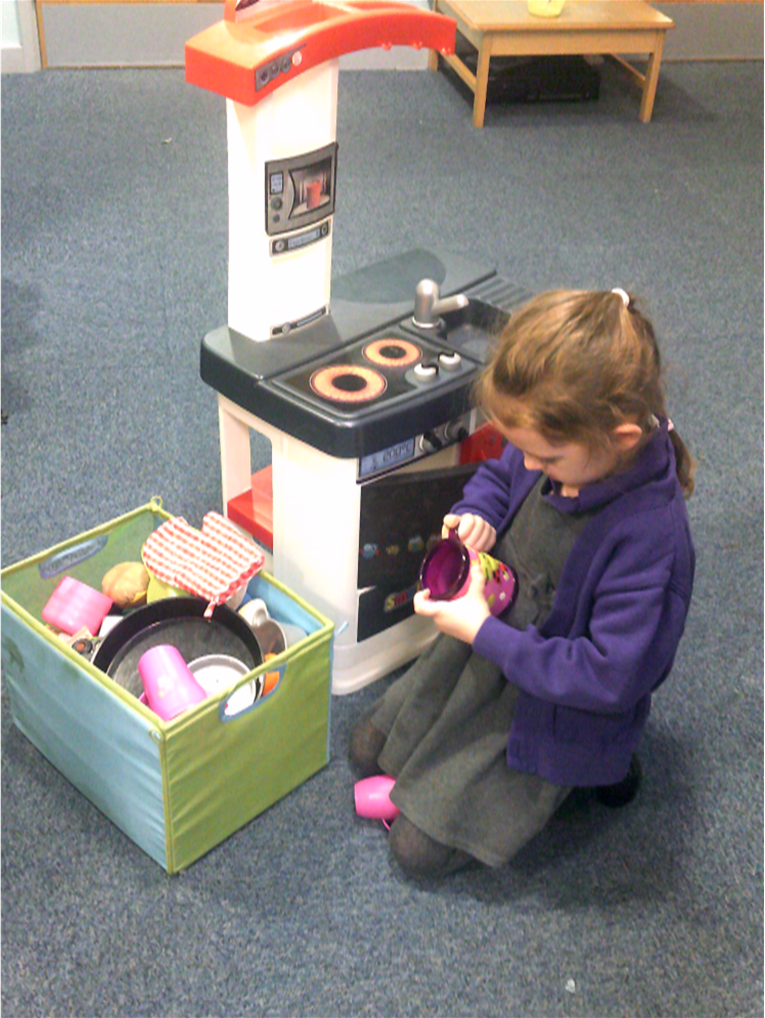


Starting primary school is a new, exciting chapter for little ones, filled with a range of feelings and emotions. A significant milestone in any child’s journey, starting primary education is the beginning of an endeavour that leads to development, growth, and progress. Whether other adults have looked after little ones, children have attended a Montessori preschool, or stayed at home in their first few years of life, the step towards primary school can feel overwhelming. However, with the right support in place, parents can help prepare their little ones for what this next chapter holds.
At our Upper Studley Preschool, we understand that the jump from nursery to primary school is significant. This is why we set daily routines, educational activities, and ample opportunities to socialise into nursery life, helping toddlers gather the skills they need to start school with confidence. We know that for many, this change can be difficult, often overwhelming for both the child and those around them. This guide will explore what school life entails, key tips for parents preparing their child for primary school, and some FAQs parents have about this new adventure.
Little Ones Starting Primary School: What to Expect?
The transition from nursery or preschool to primary school is an exciting time, filled with change and new opportunities. For families preparing their child for this next step, understanding what school involves and what to expect is key to ensuring little ones are prepared for new environments, teachers, and friends.
What families should expect for little ones starting primary education:
- Structure & Routine: From registration and lessons to playtime and lunch breaks, school is structured into segments and routines which are laid out throughout further education.
- Academic Learning: The Early Years Foundation Stage will cover a wide range of activities, strengthening skills involving phonics, reading, writing, numeracy, and creative thinking.
- Greater Social Interactions: In primary school, little ones will have opportunities to socialise with peers, teachers, and others across the school, building a rapport with all types of people.
- Basic Responsibilities: Starting small, reception children will carry out tasks independently, eg hanging coats on pegs, collecting their bags, and washing their hands.
Although these changes seem like a lot in the early stages, over time, little ones begin to grow and learn, adapting to the new routines put in place at primary school. Not only does this greatly enhance their ability to become inquisitive young learners, but it also boosts their confidence, which is key to present-day and future educational endeavours.
How to Prepare a Child for Primary School: Key Insights
There are many effective ways to help a child prepare for this new educational chapter, all of which allow them to feel excited and happy as they approach the first day of school.
- Communicate with Your Child
Talking openly and positively about starting school is incredibly helpful for children, especially those who are feeling nervous or worried about making the transition. Discussing their feelings, answering any questions they have, and reassuring them about the many positives of primary school can help them feel comfortable when speaking about this new step.
- Practice Routines
Before the child starts school, setting a simple daily routine can prepare them for the structure primary schools follow. Practising school drop-offs, getting dressed, toileting, and following a morning routine can help children about to start school feel familiar with the structure of school days.
- Set Short Bursts of Separation
One of the challenges many children face is saying goodbye to their parents or carer at school drop-off. Being apart may not be a familiar thing the child has had to do, so practising short bursts of separation can equip little ones to feel resilient and happy when they’re in the company of another trusted adult.
- Play Educational Games at Home
While children are not expected to have a strong educational foundation when they start school, practising simple tasks or games can help them gain an understanding of topics they may need to know at school. Listening to stories, counting blocks, or turn-taking activities can all help children feel at ease, relaxed and ready to learn.
Parents’ FAQs About Starting Primary School
Many parents have questions about their child starting school. Here are some commonly asked questions answered for those who want to learn more about preparing little ones for education.
What should a child know before starting primary school?
Children are not expected to have pre-learnt academic skills or key concepts, as these are introduced in the reception stage. Responding to their name, following instructions, and independent toileting are all tasks that could be practised to help children feel confident in this new phase of learning.
What does a child need in their school bag?
Every school is different and may supply different resources for the pupils. Providing them with a water bottle, a lunchbox and snacks if necessary, and a spare change of clothes is the perfect way to ensure they have everything they need for their first day. Teachers will provide additional information on what to bring if needed.
How do you support a child with special educational needs?
For parents with an SEN child, it is strongly advised to meet with the school before enrolment to discuss the provision put into place for your child. Little ones with additional needs can benefit from meeting their teacher or peers before the first day and from receiving positive reassurance about what to expect when starting primary school.
What if a child isn’t ready to start primary education?
If you feel your child isn’t quite ready for primary school, especially if they’ve only recently turned four, you may be able to delay their start or even arrange a later entry within the school year. However, all children must be in full-time education by age five. For more details, visit the government website for guidance on school starting ages.
Receive Advice & Support from Sneakers Nurseries
Preparing your child for primary school can feel like an overwhelming task, especially if they’re feeling unsure or worried about what’s to come. However, this transition is a major milestone for any child, which is why preparing them for this next step is key to equipping them with the skills they need to learn and grow. From practising school drop-offs and periods of separations to completing small tasks with greater independence, little ones can feel confident as they approach this new step ahead of them.
At Sneakers Nurseries, a trusted Studley nursery, we understand that this change brings a range of emotions for both the child and the parents. This is why we work hard with families to ensure they feel ready to navigate this transition, with the skills and confidence to help their little ones feel excited about starting school. For advice and support about this next chapter, our Montessori preschool can provide everything you need to know about this upcoming endeavour.
If you would like to speak with one of our team members about advice and support for your child, contact us today, and we will happily answer any questions you may have.