
Understanding a child’s emotions can feel like navigating a whirlwind of mood swings, frustrations, and breakdowns. As parents, caregivers, and educators, it’s important to recognise these emotional shifts and support children in managing and expressing their feelings in a healthy way. This can be a challenge, especially since children are still developing emotional regulation skills, but it is a vital part of their growth. We explore the role nurseries play in building emotional development in children and how they can help children thrive emotionally.
The Emotional Development of Children
Children experience a wide range of emotions as they begin to understand their feelings and how to express them. From joy and excitement to frustration and anger, these emotions are all part of their developmental process. However, children often lack the verbal skills and emotional regulation to express their emotions appropriately. This can sometimes lead to tantrums or outbursts when they’re unable to communicate what they’re feeling.
Emotionally, children are learning how to deal with separation anxiety, interact with their peers, and assert their independence. At this age, children are not only exploring their own feelings but are also learning how to respond to the emotions of others. This is a key part of their emotional growth, and it is where the support of a nurturing environment, like a nursery, becomes essential.
How Nurseries Play a Key Role in Emotional Growth
Providing a Safe and Nurturing Environment
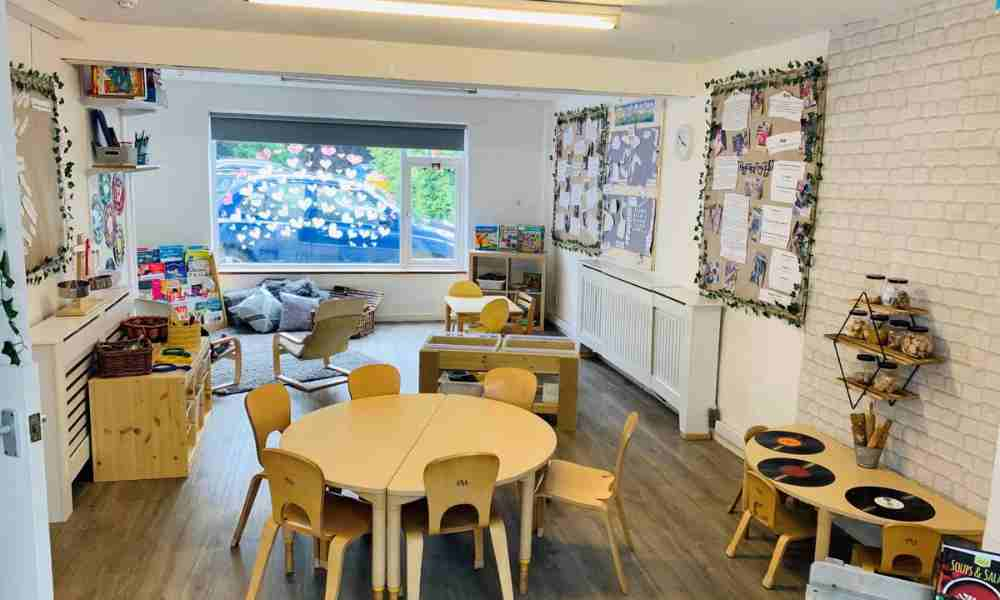
A nursery should create a secure, emotionally safe environment where children feel comfortable expressing themselves. When children feel safe, they’re more likely to explore and learn about their emotions, knowing they have a trusted adult to support them.
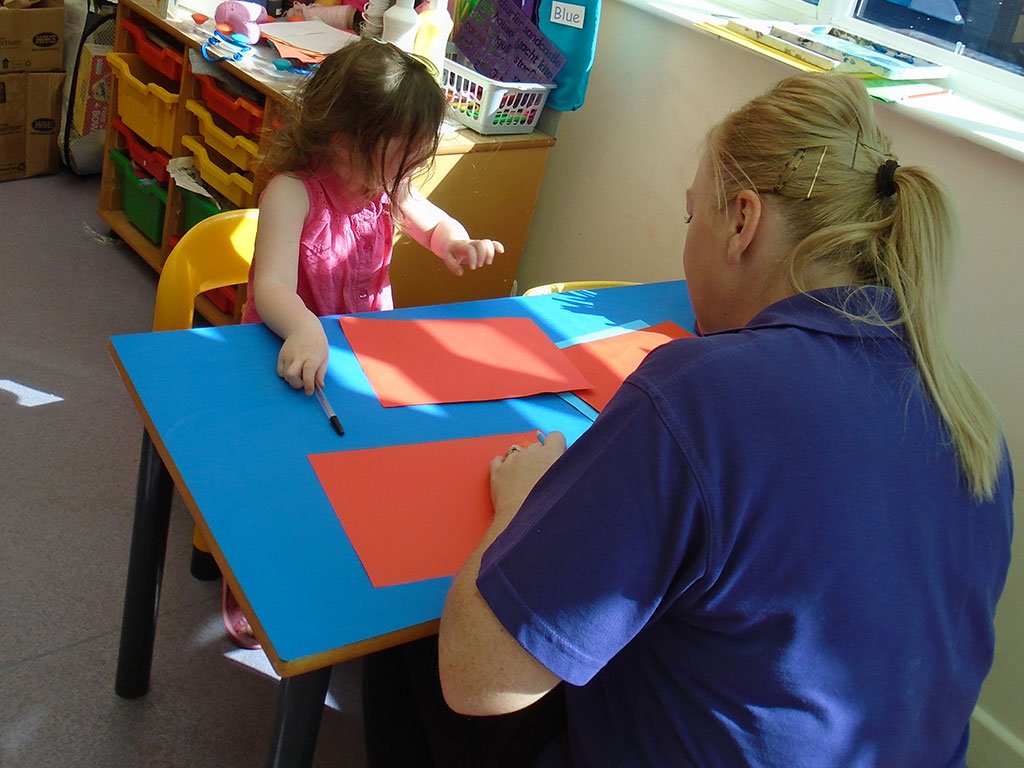
Nurseries that focus on emotional development recognise the importance of attachment figures, caregivers who are consistent, responsive, and emotionally available. These adults provide the stability children need to learn how to regulate their emotions. For instance, a child who is upset about a toy being taken away might benefit from a nursery worker who calmly intervenes, offering comfort while helping the child articulate their feelings and find a solution.
Encouraging Social Interaction
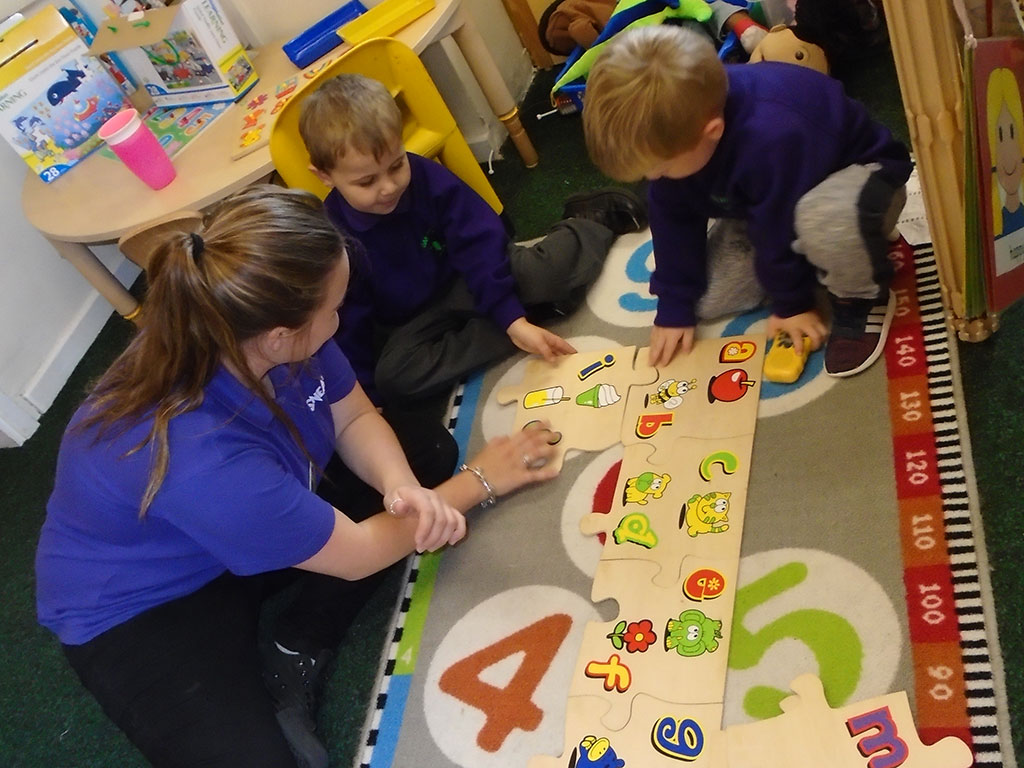
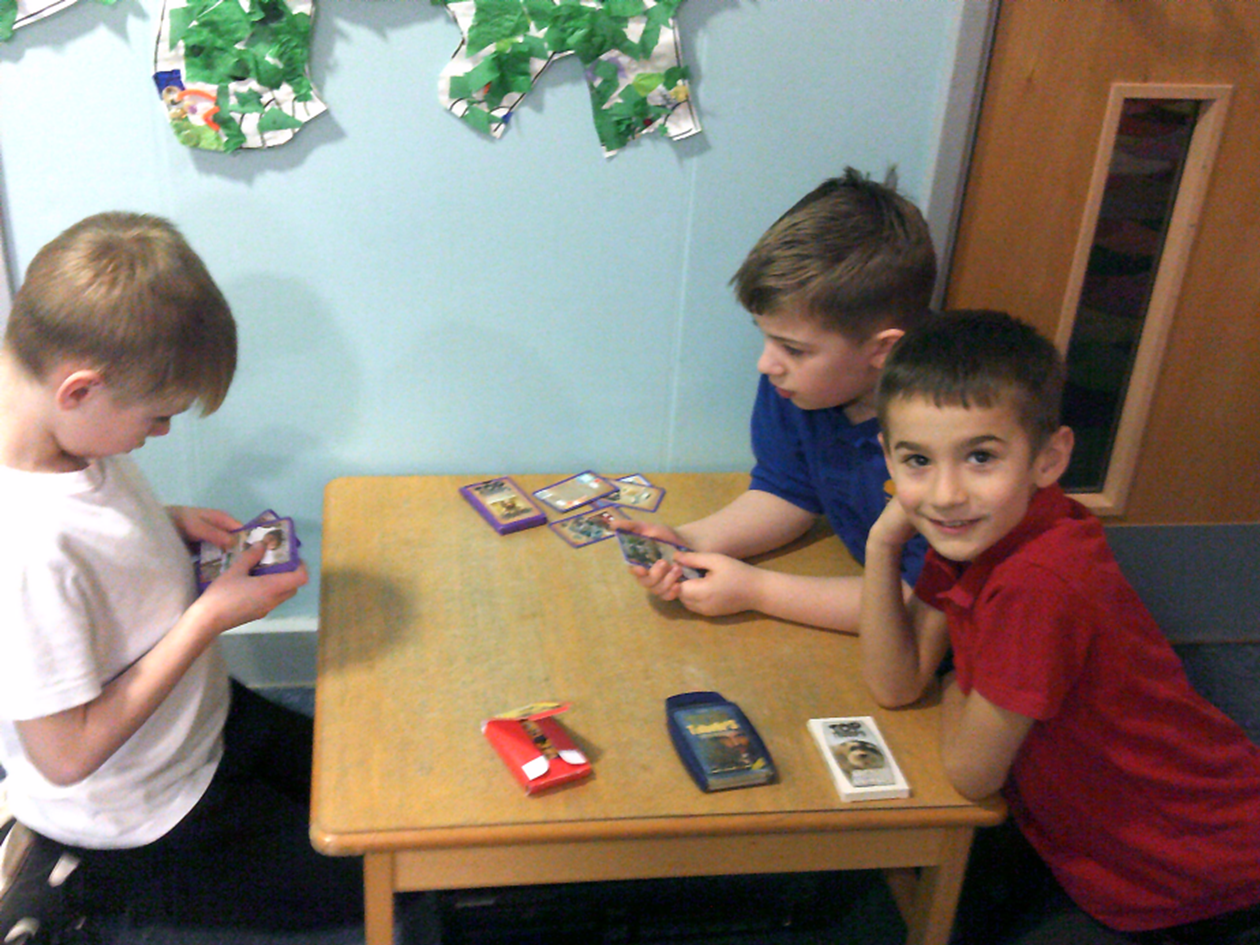
Children are learning to navigate social dynamics, which can often stir up emotions like jealousy, frustration, or confusion. At nursery, children have the opportunity to interact with peers, which is a natural setting for practising these emotional skills. Children learn about empathy, sharing, and cooperation through their play with other children. This socialisation helps them to understand the concept of others’ feelings, something that becomes increasingly important as they grow older.
Nurseries also offer guidance on resolving conflicts, showing children that disagreements can be solved through communication and compromise. The key here is not only to correct behaviour but to provide emotional understanding, helping children understand why they might feel upset and how to express those feelings in a healthy way.
Modelling Emotional Regulation
Nursery workers and carers play a significant role in teaching children how to regulate their emotions. Children often mirror the behaviour they see in adults. When a nursery practitioner handles stress or frustration in a calm, controlled manner, children are more likely to adopt these same strategies.
If a child is upset, the caregiver’s response can make a huge difference. A trained nursery worker will react in a calm way with positive language, rather than with frustration, helping the child navigate their emotional experience. This teaches children that emotions are normal and can be managed in constructive ways.
Structured Routines for Emotional Stability
Children thrive on routine, as it helps them feel secure and reduces anxiety. Knowing what to expect throughout the day gives children a sense of control and stability. When nurseries provide a structured routine, they’re supporting emotional regulation and also help the children learn time management and self-discipline, which are important life skills.
Knowing that nap time follows lunch and that story time comes after play helps children manage expectations and reduce frustration. These routines contribute to emotional stability, as children are able to predict the flow of their day, giving them a sense of order and comfort.
Techniques Used in Nurseries to Support Emotional Development
Emotion-Focused Activities
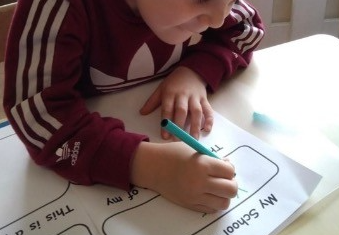
Nurseries often use structured activities to help children understand and express their emotions. These can include storytelling, role-playing, or even simple art activities where children can draw or paint how they’re feeling. This creative expression helps children process their emotions in a non-verbal way, which is especially helpful for children who may not yet have the vocabulary to express themselves.
Another popular method is the use of ‘feelings charts’ or ‘emotion cards.’ These visual aids help children identify their emotions by selecting a face or image that best represents what they’re feeling. This can make it easier for children to communicate their emotions, reducing frustration and promoting emotional awareness.
Positive Reinforcement
When children successfully manage their emotions or show positive behaviours, nurseries often use positive reinforcement to encourage this development. Praise and rewards (such as verbal affirmation or stickers) help children feel good about their emotional progress and encourage them to continue expressing their feelings appropriately.
By celebrating these small victories, nurseries help build a child’s emotional confidence. For example, a child who shares a toy with a friend and is praised for their kindness is more likely to repeat that behaviour in the future.
The Benefits of Emotional Support in Nurseries
Long-Term Emotional Resilience
Providing emotional support in early childhood lays the foundation for emotional resilience later in life. Children who are taught to express their emotions and cope with challenges in a healthy way are better equipped to handle the ups and downs of life as they grow. By encouraging emotional expression and regulation in the nursery setting, children develop skills that will help them throughout their school years and beyond.
Social Skills Development
Emotional intelligence is closely linked to social skills. Children who understand their own feelings are better able to relate to others, making it easier for them to form friendships, work in teams, and handle social challenges. By encouraging empathy and teaching conflict resolution, nurseries help children develop strong interpersonal skills that will serve them well in their social environments.
Improved Mental Health in Later Life
Early emotional support also has a positive impact on a child’s mental health as they age. Children who are taught how to deal with difficult emotions, such as anger or sadness, are less likely to develop anxiety or other mental health issues later in life. The skills they acquire in a nursery setting can contribute to a more positive, emotionally healthy mindset as they grow.
A Supportive Environment for Emotional Growth
At Little Sneakers Daycare, the care and support we offer at our Mappleborough Green nursery ensures that every child has the opportunity to develop strong emotional skills in a nurturing, positive environment. From our highly trained staff to our carefully designed activities, we aim to develop emotional growth in each child under our care. If you’re looking for a place where your child’s emotional development is as important as their academic growth, we invite you to learn more about what we do at Little Sneakers Daycare.
As you consider the right environment for your child’s development, remember that moving into a new home or setting can also benefit from the support of professionals. With the right movers, you can make the transition seamless and stress-free, allowing you to focus on what matters most: your child’s growth and happiness. Get in touch with us today.